
The First 24 Hours After Flood Damage in NYC
What to do immediately and what can wait until a provider assesses the property.
Read guide →Start with safety, document what you can, and check independent provider options for extraction, material removal, cleaning and structural drying.
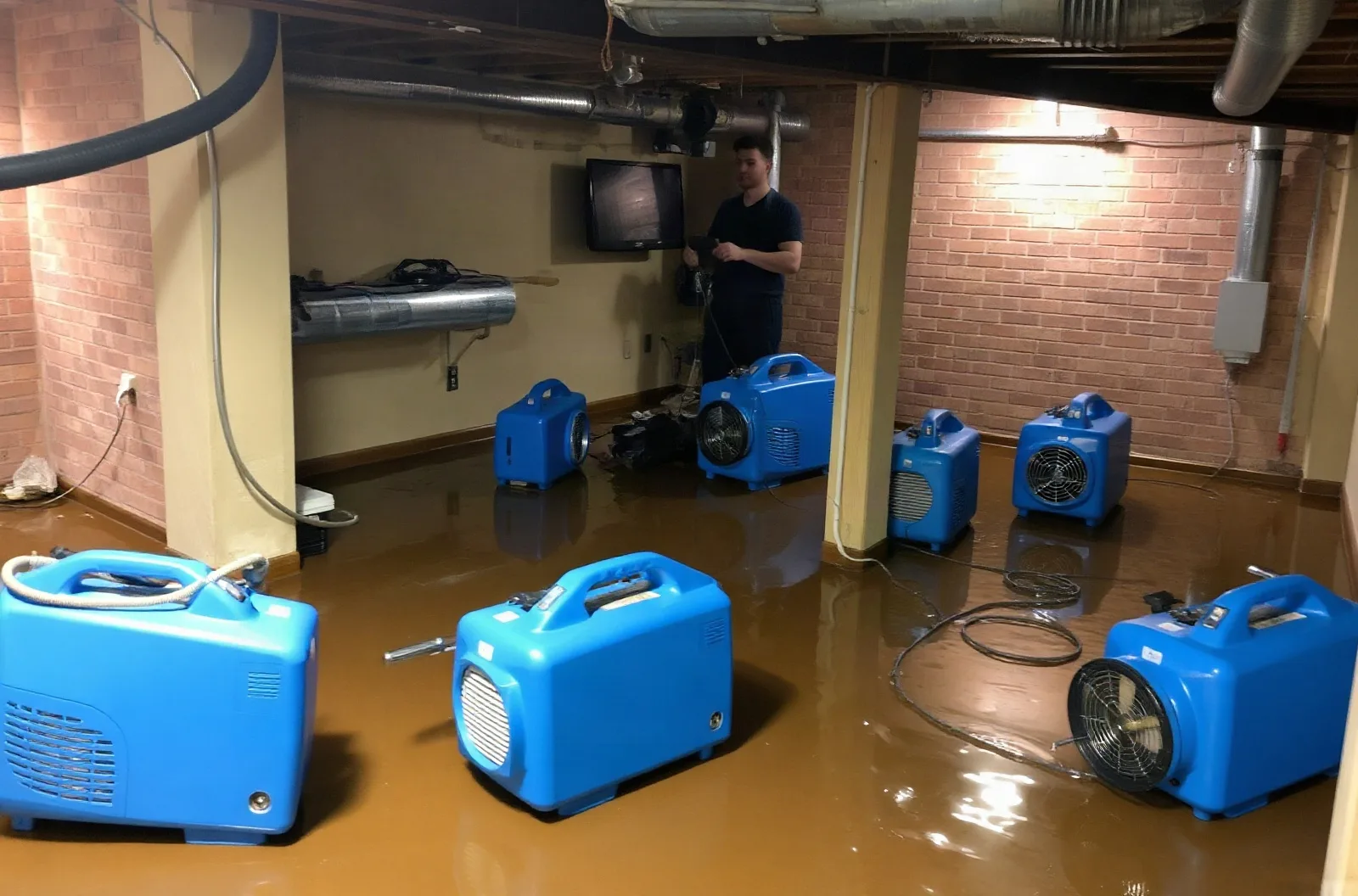
Choose the closest scenario for safety guidance and the restoration stages to ask about.
Check flood cleanup and water extraction options across NYC for leaks, storms and indoor flooding.
Read the recovery guide →Below-grade water removal and material assessmentProfessional basement water removal and flood restoration referral options across New York City.
Read the recovery guide →Rain, street flooding and storm-related intrusionCheck storm flood cleanup and restoration options for heavy rain and coastal or street flooding in NYC.
Read the recovery guide →Plumbing failures and multi-room water spreadWater extraction and drying referral options for burst pipes and plumbing failures in NYC buildings.
Read the recovery guide →Co-op, condo and rental-unit coordinationFlood cleanup referrals for NYC apartments, co-ops, condos and rental units.
Read the recovery guide →Contamination-aware extraction and cleaningProfessional cleanup referral options for contaminated floodwater in NYC homes and buildings.
Read the recovery guide →Drying, monitoring and repair planningCheck structural drying, moisture monitoring and flood restoration options across New York City.
Read the recovery guide →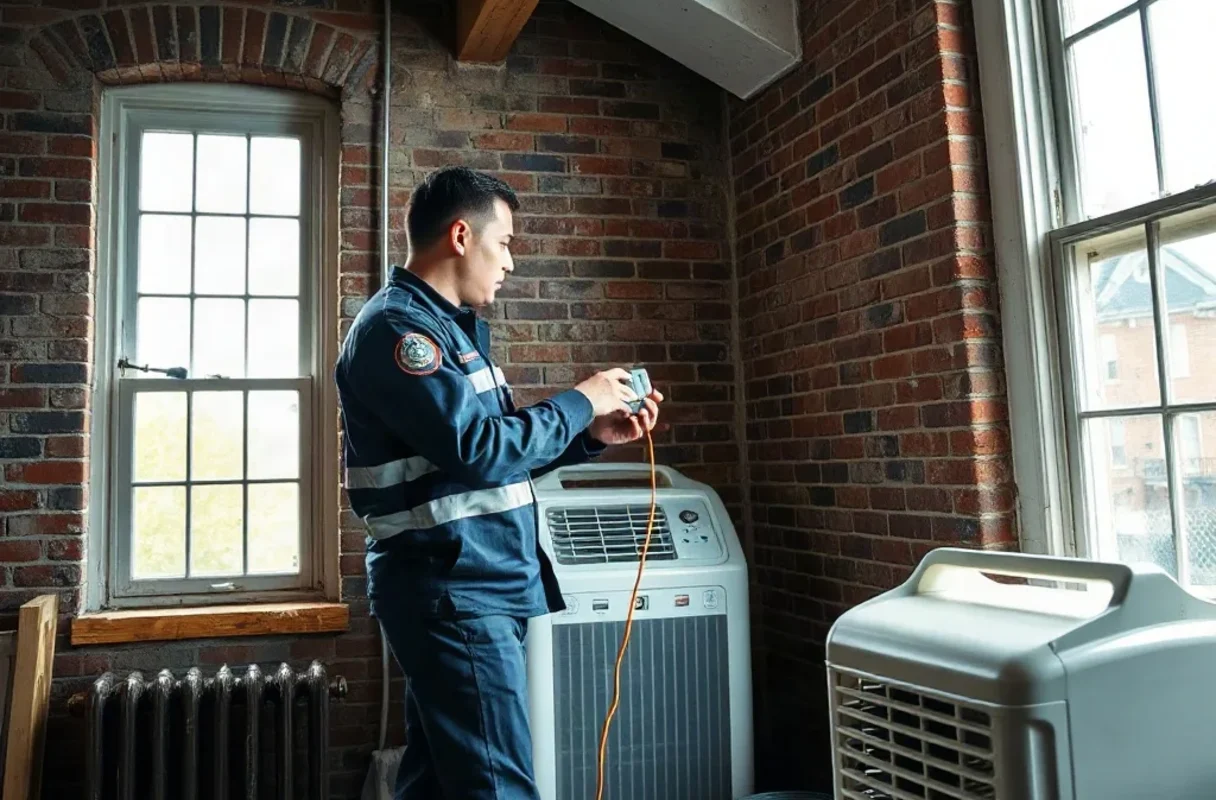
The provider checks safe access, affected rooms, materials and hidden moisture.
Water and unsalvageable materials are addressed before suitable surfaces are cleaned.
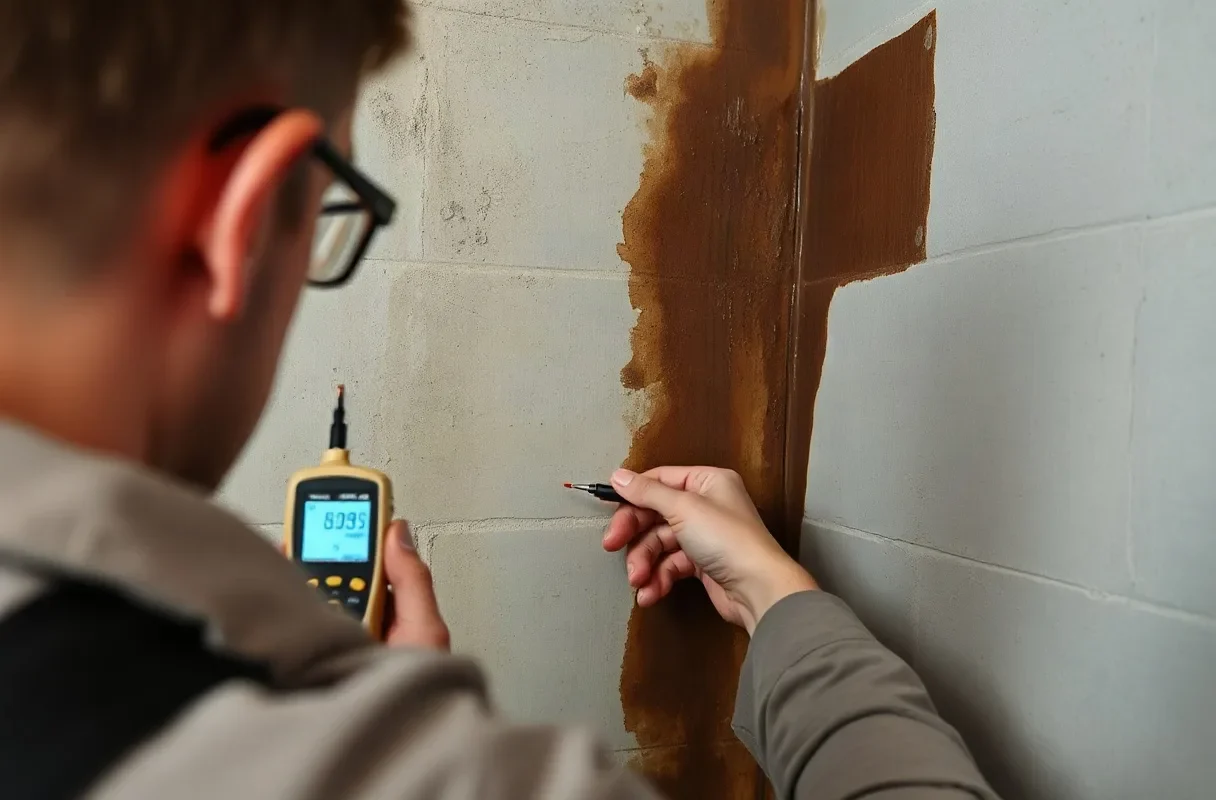
Equipment, readings and moisture verification support the next repair decisions.
We are a referral service, not a restoration contractor. Independent providers assess the property and establish their own methods, schedules and prices.
Building access and travel conditions matter. Choose an area, then call for current availability.
General information, not a site-specific safety or insurance assessment.
Keep people and pets away from unsafe water, avoid electrical and contamination hazards, and notify building management when appropriate. Stop the source only if you can do so safely, then check professional cleanup availability.
No. Household vacuums are not designed for floodwater and can create electrical and contamination risks. Do not enter water that may be electrified.
Timing depends on the materials, water amount, access and drying conditions. A provider should measure moisture and explain progress rather than treating a dry-looking surface as proof.
Usually mitigation and reconstruction are separate scopes. Water removal, material removal, cleaning and drying come before drywall, flooring, paint and other repairs.
Coverage depends on the source and policy. Outside flooding, plumbing failures and sewer backup can be treated differently. Ask the insurer about classification, exclusions, deductible and required documentation.
It depends on the water source, contamination, saturation and material condition. A provider should assess whether controlled drying is appropriate or whether removal is needed.
Do not rush into contaminated or electrified water for belongings. Ask the provider about safe handling and which items can be cleaned, dried or should be discarded.
Ask about extraction, material removal, cleaning, drying, disposal, moisture verification and equipment. Clarify source repair, reconstruction and any additional charges separately.
Read about the first day, insurance categories and structural drying.
What to do immediately and what can wait until a provider assesses the property.
Read guide →The same wet room can involve different coverage categories and documentation.
Read guide →A room can look dry while walls, floors and cavities still hold moisture.
Read guide →